
 1 / 3


Single Shaft Plastic Shredder
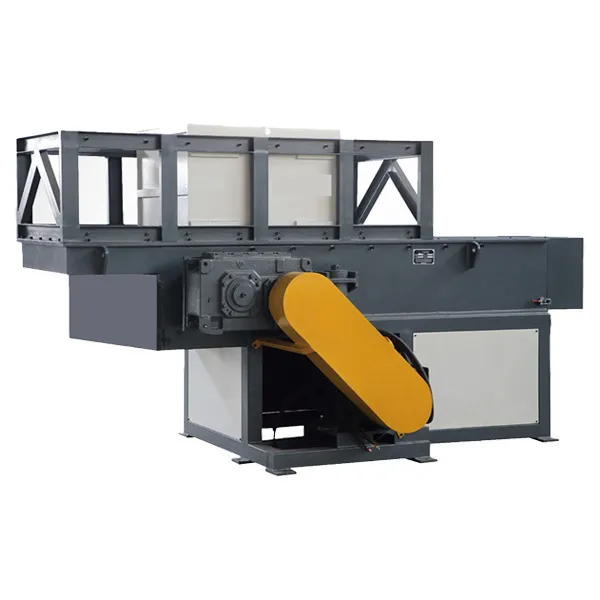
Heavy-duty single shaft shredder with hydraulic ram feeder for primary size reduction of plastic pipes, films, woven bags, lumps, barrels, and various post-industrial waste. Available in 6 models from 22kW to 160kW.
The ZSS Series is a heavy-duty single shaft plastic shredder used for primary size reduction of plastic scrap. A hydraulic ram feeder compacts the material against a rotating rotor, and the 22-160 kW drive turns at 70-80 RPM to produce 200-2000 kg/h through a 40-100 mm screen. It is normally specified for plastic pipe, profile, film, woven bag and purged lump that has to be reduced before granulation; the same machine class is also sold as a single-shaft shredder or primary shredder.
Technical Specifications
| Model | ZSS-600 | ZSS-800 | ZSS-1000 | ZSS-1300 | ZSS-1500 | ZSS-2000 |
|---|---|---|---|---|---|---|
| Motor Power | 22-30 kW | 37-45 kW | 45-55 kW | 75-90 kW | 110-132 kW | 132-160 kW |
| Rotor Speed | 80 RPM | 80 RPM | 80 RPM | 75 RPM | 75 RPM | 70 RPM |
| Screen Mesh | 40-100 mm (Customizable) | |||||
| Throughput | 200-400 kg/h | 300-600 kg/h | 400-800 kg/h | 500-1200 kg/h | 800-1500 kg/h | 1200-2000 kg/h |
| Feeding Hopper | Hydraulic Ram with Auto Compaction | |||||
| Blade Material | SKD-11 Alloy Steel, Bolt-on Design | |||||
Single Shaft Plastic Shredder ZSS Series
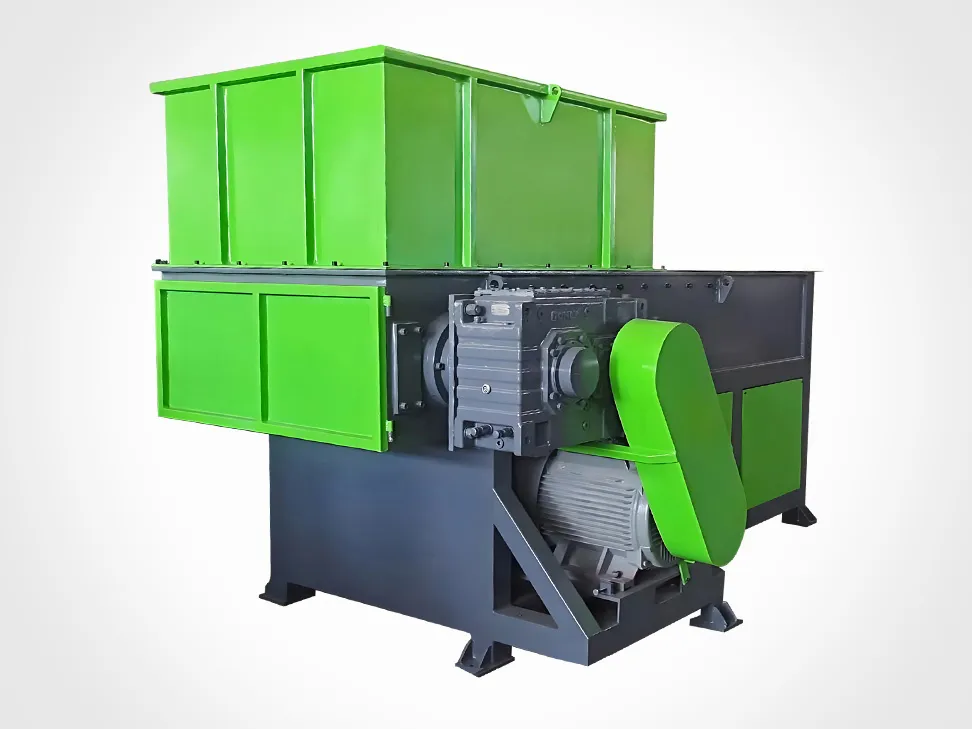


The ZSS series single shaft shredder is engineered for powerful and reliable primary size reduction of a wide range of plastic waste materials. Featuring a robust hydraulic ram feeding system and durable wear-resistant SKD-11 alloy blades, it excels at processing bulky and tough materials with consistent output quality.
Key Features
- Heavy-duty welded steel rotor with bolt-on blade design for easy maintenance and blade replacement
- Hydraulic ram feeder with automatic material compaction ensures consistent feeding
- PLC control system with overload reverse and auto-stop protection
- Interchangeable screen mesh for adjustable output size (40-100mm)
- Direct-drive gearbox for maximum power transmission efficiency
- Soundproof enclosure option available for reduced noise levels
- CE certified electrical components
Processing Materials
Plastic lumps, waste pipes, pallets, plastic drums, sheets, rods, films, woven bags, jumbo bags, fishing nets, plastic ropes, non-woven fabric, chemical fiber filament, waste paper, aluminum, copper wire, WPC profiles.
Applications
Plastic recycling plants, pipe and profile manufacturers, film and bag recycling operations, municipal waste processing, automotive component recycling, electronic waste plastics.
Feedstock the ZSS Series Handles
A single shaft shredder earns its place when the feed is bulky, irregular, and too thick-walled for a granulator rotor to bite. In practice that covers HDPE purgings and start-up lumps, baled PP film and woven sacks, thick-walled PVC pipe offcuts, PC/ABS appliance housings, and mixed injection rejects that arrive unsorted. The hydraulic ram does the work a gravity hopper cannot: it compresses the material against the rotor, so hollow parts that would otherwise bounce on top of the knives get pulled in and cut.
Material that arrives already granulated is the wrong feed for this machine. Regrind passes straight through the screen without being cut, adds nothing, and wastes rotor hours. Feed the ZSS whole parts and lumps; let the granulator downstream do the fine work.
Where the ZSS Fits in a Size Reduction Line
Shredding is the first of three stages. The ZSS takes whole parts down to 40–100 mm flake — the exact size set by the screen you fit. That flake then feeds a ZPC series granulator, which cuts it to a 6–20 mm regrind suitable for extrusion or injection. If the end product is powder for rotational moulding or PVC compounding, the regrind goes on to a vertical disc pulverizer for the final grind to 60–150 mesh.
Skipping the middle stage rarely works. Pulverizers are built for feed of 10 mm and below; asking one to accept 80 mm shredder flake overloads the disc and produces coarse, inconsistent powder.
Choosing a Model
Size the machine from two numbers: the throughput you need in kg/h and the largest piece you will drop into the hopper. Screen size sets output, not the model — every ZSS variant accepts a screen in the 40–100 mm range, so a ZSS-600 at 200–400 kg/h and a ZSS-2000 at 1,200–2,000 kg/h can produce the same flake size at different rates. Where the two differ is motor power and hopper volume: 22–30 kW at the small end, 132–160 kW at the top.
Buyers who plan to run film and purgings together tend to choose one size larger than the current throughput requires, because light film packs poorly and the ram spends more cycles per kilogram. Oversizing the hopper is cheaper than retrofitting it later.
Operating Notes
Rotor speed is deliberately low — 70–80 RPM — which is what gives a single shaft machine its torque and its tolerance for contamination. SKD-11 blades are bolt-on rather than welded, so a damaged knife is replaced on the machine without dismantling the rotor. Blade intervals depend on what you feed it: glass-filled or heavily mineral-loaded compounds cut tool life short compared with clean post-industrial scrap, and nobody can give a meaningful hour figure without seeing the material.
Two things extend that interval more than any specification does: keeping metal out of the feed, and matching the screen to the material rather than running the finest screen available. A finer screen raises residence time and heat, which costs blade life and throughput at the same time.
Related Reading
Frequently Asked Questions
Output is set by the screen, not by the model. Every ZSS variant accepts a screen between 40 and 100 mm, so you choose the flake size you want and the machine holds it. Screens are interchangeable and custom sizes are available.
Both, but the behaviour differs. Rigid parts are cut directly. Film and baled material are pushed and torn rather than cleanly cut, so expect lower throughput per kilowatt and more ram cycles. The hydraulic ram with auto compaction is what makes light, springy feedstock manageable at all.
Large hollow parts — pipe sections, drums, housings — tend to ride on top of the rotor instead of being drawn in. The ram applies continuous pressure so the knives get purchase on the material. Without it, operators end up pushing parts down manually, which is slow and unsafe.
It depends entirely on the material. Clean post-industrial HDPE is far easier on tooling than glass-filled or mineral-loaded compounds, or scrap carrying sand and metal. SKD-11 bolt-on knives are rotated and re-ground before being replaced, and the wear pattern on your own knives is the only reliable basis for a schedule.
A granulator. Shredder flake at 40–100 mm is too coarse for extrusion or moulding, and too coarse for a pulverizer, which is built for feed of 10 mm and below. The usual line is shredder, then ZPC granulator to 6–20 mm, then a disc pulverizer if powder is the target.
Material type and form (rigid parts, film, purgings, pipe), required throughput in kg/h, target output size, and the largest piece you need to feed. Available power supply and voltage matter too, since motor configuration is fixed at order.


Interested in This Machine?
Tell us your material type, desired throughput, and output size — our team will provide a tailored recommendation and quotation.