
Size-reduction equipment for HDPE, PP, PVC, PE, PET and mixed plastic waste — built to run as one line.
Showing 7 products

Plastic Pulverizer Machine

Plastic Crusher Machine
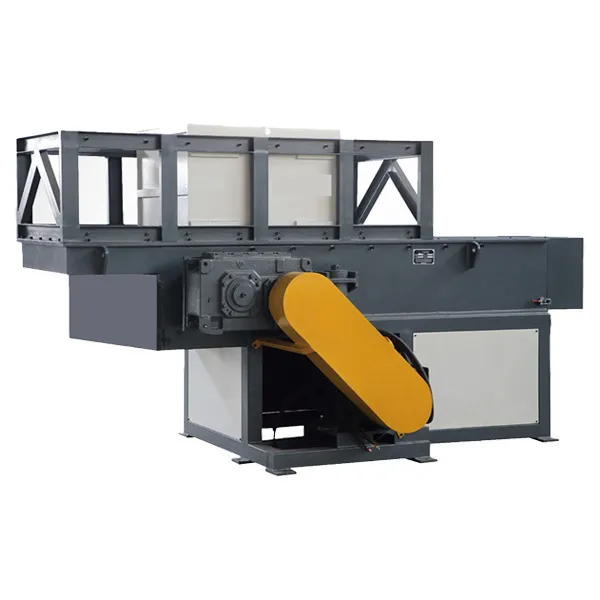
Plastic Shredder Machine
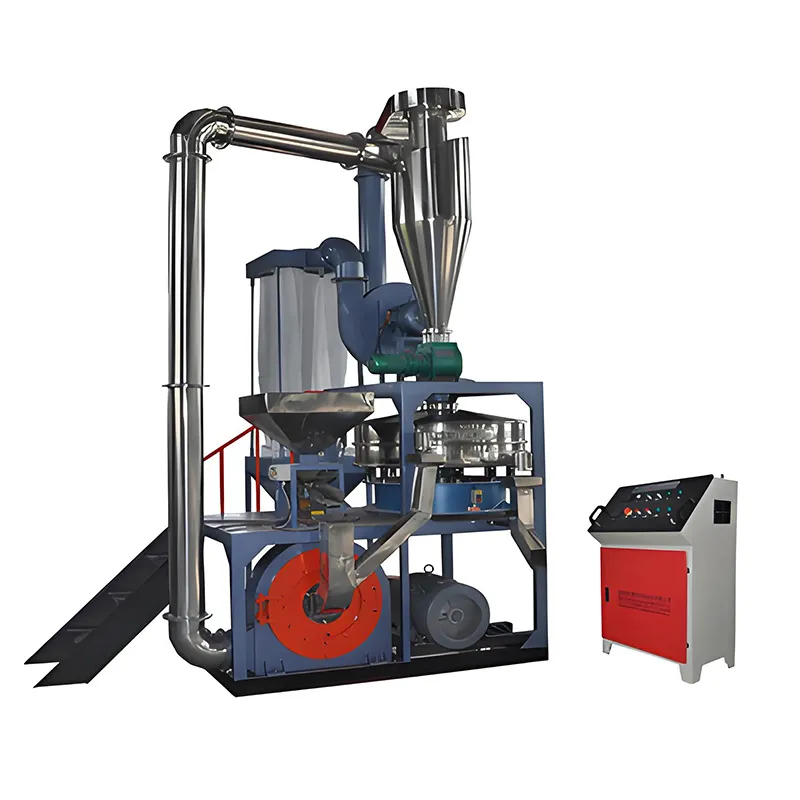
Plastic Pulverizer Machine
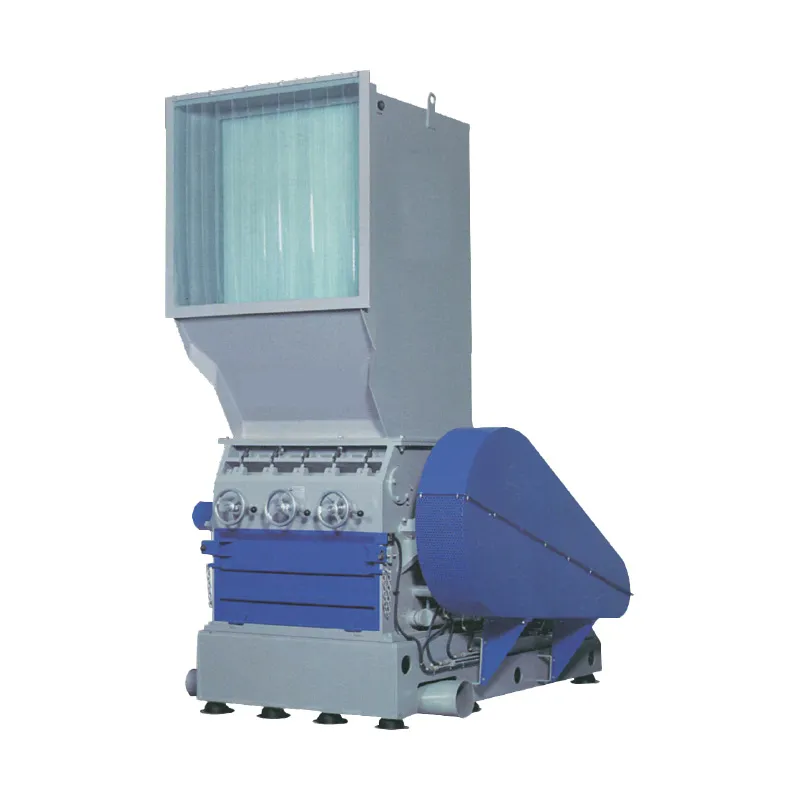
Plastic Crusher Machine

Plastic Shredder Machine

Plastic Shredder Machine
Zhiyi Machine manufactures three categories of plastic size-reduction equipment: shredders for primary volume reduction, crushers and granulators for secondary size control, and pulverizers for fine powder production. The three stages work as one line. A shredder reduces bulky scrap to 40–150 mm, a crusher brings that down to 6–20 mm regrind, and a pulverizer grinds the regrind into 60–150 mesh powder. Which stage a plant needs depends on the feedstock and on the particle size the next process requires.
Plastic recycling lines are built in stages because no single machine handles every feedstock. Bales, purgings, pipes and pallets need a slow, high-torque machine that can bite into thick sections without stalling. Injection sprues and thin-wall parts need fast impact cutting that produces uniform granules. Rotomolding and masterbatch production need powder fine enough to melt evenly. Assigning the right stage to each material is what keeps a line running at its rated throughput.
Primary volume reduction. Slow rotation, high torque, hydraulic ram feeding for bulky or hollow items.
→ 40–150 mm flakesSecondary size control. High-speed rotor with flat or claw blades, screen-defined output.
→ 6–20 mm regrindFine grinding between vertical discs, with cooling and classification.
→ 10–150 mesh powderThe three machine types are often confused because they all reduce plastic. They differ in rotor speed, cutting geometry, achievable output size and what they can accept as feed.
| Machine | Rotor speed | Output size | Typical feed | Why it exists |
|---|---|---|---|---|
| Shredder | 16–80 RPM | 40–150 mm | Pipes, purgings, films, pallets, bales | High torque bites thick sections without stalling |
| Crusher / granulator | 500–650 RPM | 6–20 mm | Sprues, thin-wall parts, flakes, small lumps | High speed gives uniform regrind at high rates |
| Pulverizer | Disc mill | 10–150 mesh | Crusher regrind ≤ 10 mm | Fine powder for rotomolding, masterbatch, WPC |
A shredder alone cannot produce regrind fine enough for an extruder; a granulator alone cannot accept a 6-metre HDPE pipe. Most recycling plants therefore run two or all three stages, and the handover point is the screen or blade spacing that sets the output size.
Single shaft, combo and double shaft shredders from 22 kW to 160 kW, with throughput from 200 kg/h to 5,000 kg/h.
View shredders →Flat-blade and claw-blade granulators from 11 kW to 132 kW, producing 6–20 mm regrind at 150–2,200 kg/h.
View crushers →Vertical disc mills from 22 kW to 110 kW, grinding PE, PVC and PP regrind into 10–150 mesh powder.
View pulverizers →Solid, thick-walled items such as pipes, purgings and pallets need a shredder with hydraulic ram feeding. Thin films and woven bags have very low bulk density and tend to wrap around a high-speed rotor, so they are normally shredded first and granulated second. Injection sprues and small moulded parts can go straight into a granulator without a shredding stage.
If the material returns to an injection moulding machine or an extruder feed, 6–20 mm regrind is usually sufficient and a granulator is the last stage. If it goes to a rotomolding machine, a WPC extrusion line or a masterbatch compounder, the target is powder, so a pulverizer is added after the granulator. Pulverizers accept feed no larger than 10 mm, which is why they are almost always placed downstream of a crusher.
Throughput figures are quoted for a specific material and screen size, and they change with bulk density, moisture and how much the operator can feed consistently. A line rated at 1,000 kg/h on clean HDPE regrind will run lower on film or on material with high filler content. It is safer to size the machine one step above the average requirement than to run it continuously at its ceiling.
A shredder runs at 16–80 RPM with high torque and reduces material to 40–150 mm flakes, accepting bulky items such as pipes and purgings. A crusher, also called a granulator, runs at 500–650 RPM and produces 6–20 mm regrind, but needs smaller feed. They are different stages of the same line, not competing machines.
Only if your final product is powder. Recyclers producing regrind for their own extruder usually need a shredder and a granulator. Plants supplying rotomolding, WPC or masterbatch customers add a pulverizer, because those processes require powder rather than granulate.
Mechanically yes, with limits. The shredder and granulator ranges cover rigid PE, PP, PVC, PET, ABS and PS. Soft films and woven bags process differently and may need a different rotor configuration. Pulverizing is where material properties matter most — PE and PVC behave differently and often require different disc setups.
Start from the weight of material the line must process per shift, then divide by realistic running hours. Add margin for downtime, blade changes and material variability. Because throughput varies with bulk density, confirm the figure for your specific material rather than relying on the headline number.
On a shredder it is the blade spacing or the screen mesh, from 40 mm to 150 mm depending on the series. On a crusher it is the interchangeable screen, from 6 mm to 20 mm. On a pulverizer it is the combination of screen and plug-bolt adjustment, from 10 to 150 mesh.
HDPE pipe is normally shredded first, because a full pipe section is too long and too thick for a granulator. A single shaft shredder with hydraulic ram feeding reduces it to manageable flakes, which are then granulated to 6–20 mm regrind. If the recycler supplies powder to a pipe extrusion line, a pulverizer is added downstream.